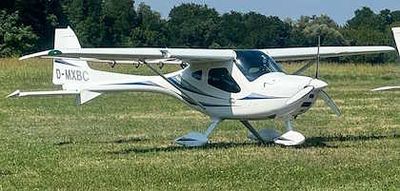
TL Ultralight · Czech Republic
TL-96 Sting
5 listings available
Market Prices
Minimum
€39,000
Average
€48,250
↓ FallingMaximum
€60,000
Years 2005–2007 · 5 listings evaluated
Selling a TL-96 Sting?
347 views for this model in the last 30 days
List it for free — online in minutes
About the TL-96 Sting
The TL-96 Sting is the first Sting generation and the all-carbon development of the TL-96 Star. The factory designates it TL-2000 Sting Carbon, with a flight manual dated April 2001. In Germany this generation is listed as the TL-96 Sting, which is why listings show both designations and hybrids such as "TL 96 Sting Carbon". One caveat: the factory manual and the German data sheets quote different figures and the relationship between the designations cannot be established unambiguously from the available sources – so the individual aircraft's data sheet governs. According to German dealer Wezel, close to 500 aircraft of this Sting generation were built. For the US market the TL StingSport LSA was added from 2004 to 2006, followed by the Sting S3 from 2007 and the Sting S4 from 2010.
The Sting is a two-seat low-wing aircraft with a full glass-fibre sandwich fuselage and wings and horizontal tail in solid carbon, with the fuel tank integrated into the fuselage. The data set published under the TL-96 Sting name gives an 8.50 m span, 6.40 m fuselage length, 10.1 m² wing area, empty weight from 305 kg, 472.5 kg maximum takeoff weight and a 70 litre tank. The TL-2000 Sting Carbon factory manual quotes an 8.44 m span, 5.93 m length, 2.30 m height, 9.81 m² wing area with an aspect ratio of 7.26, a 68 litre tank and 450 kg maximum takeoff and landing weight under the Czech ultralight rules of the time. For an individual aircraft the data sheet and the manual supplied with it always govern.
Power for this first Sting generation is the 80 hp Rotax 912 or the 100 hp Rotax 912 S. The factory manual quotes 5.0 m/s climb with the 912 and 6.0 m/s with the 912 S, both at 130 km/h and 450 kg, plus a service ceiling of 6,500 m. Range is 740 km at a constant 170 km/h with no reserve; the manual separately gives a maximum endurance of about 5.9 hours. VNE is 290 km/h, while the German source quotes 260 km/h maximum and 240 km/h cruise for the TL-96 Sting. The flaps have two extended positions: 15 degrees for take-off and 60 degrees for landing.
Strengths: a great deal of cruise speed for an aircraft of this vintage, low weight, high production numbers and therefore an active used market, and prices well below a current Sting S4. Solid manual figures do exist for the performance: at 450 kg the factory manual quotes an 80 km/h stall clean and 62 km/h with landing flap, a take-off distance of 125 m with the Rotax 912 or 117 m with the 912 S, and a 132 m landing distance using the brakes; those figures are not publicly available for the data set published in Germany as the TL-96 Sting. The weaknesses are typical of a composite aircraft two decades old: the published data is muddled, for the Sting Carbon's empty weight the manual simply refers to the weighing report, and no 600 kg upgrade exists for this generation. Then there is ageing: UV damage to the paint, the condition of the canopy, the fuel system and engine time, and a parachute system that depending on year is long overdue for repacking or replacement.
One safety note that concerns both types listed under the TL-96 designation: on 25 July 2020 an aircraft of the TL-96 series crashed near Wesel, Germany, after a structural failure, killing three people. Which of the two types was involved cannot be established unambiguously from the sources checked; the German BFU investigation report is authoritative. The TL-96 Sting suits pilots who want to travel fast and accept an older aircraft in exchange – ideally with a pre-purchase inspection by a shop experienced with composites and complete documentation of all annual inspections and airworthiness directives. Anyone who needs current manuals, a 600 kg approval and factory support for their specific build year is better off with the Sting S4. Those who prefer something slower and more forgiving should look at a high-wing type such as the TL-3000 Sirius.
Technical Specifications
Current TL-96 Sting Listings
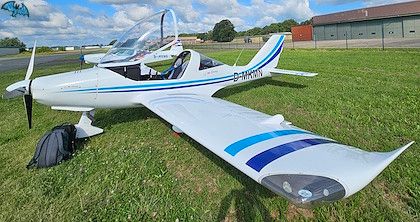
TL-96 Sting
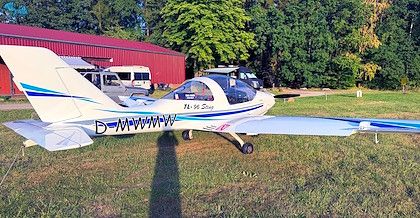
TL96 Sting
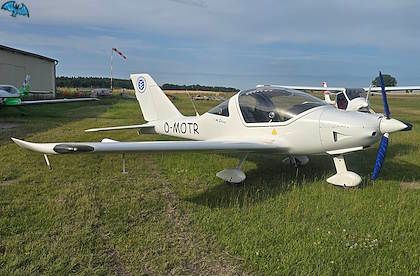
TL-96 Sting
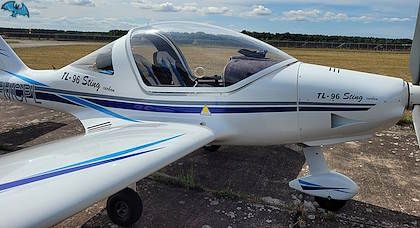
TL 96 Sting Carbon
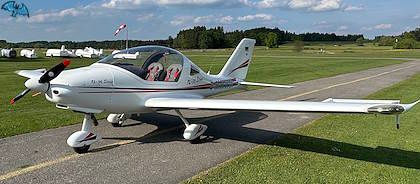
TL-96 Sting
Similar Models
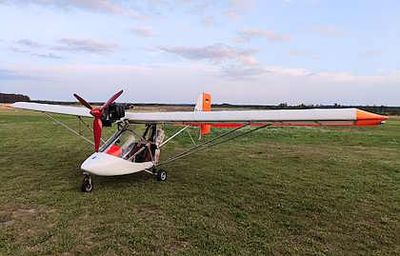
Comco Ikarus C22
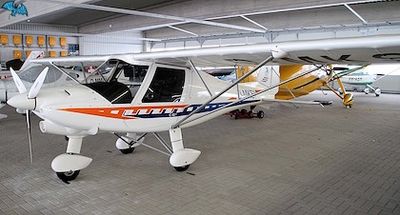
Comco Ikarus C42
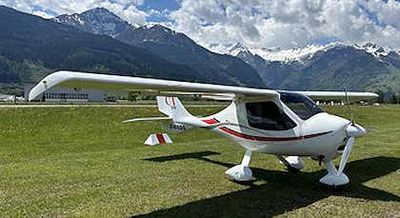
Flight Design CTSW
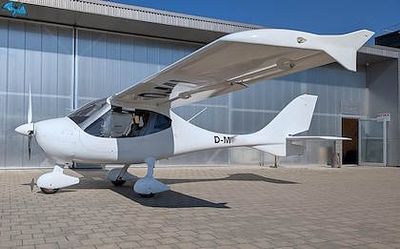
Flight Design CTLS
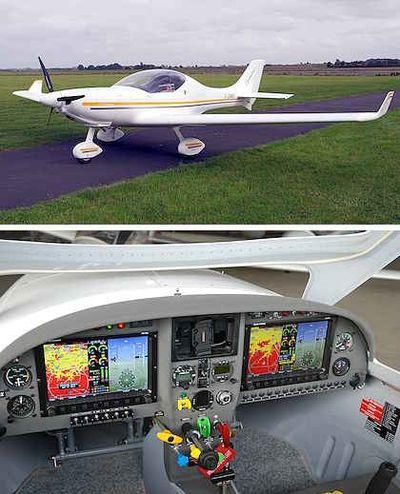
Aerospool Dynamic WT9
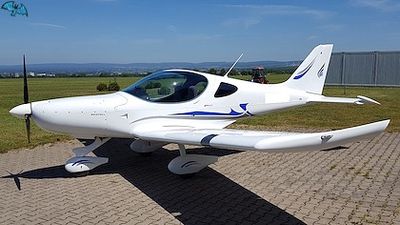
BRM Aero Bristell
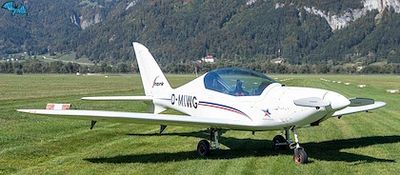
Shark Aero Shark UL
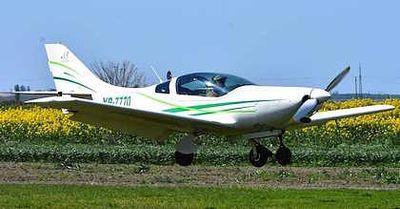
Shark Aero Shark 600
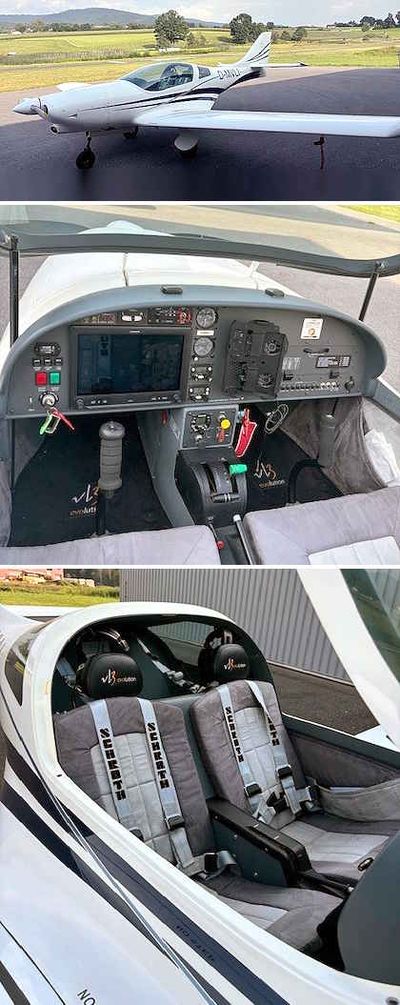
JMB Aircraft VL3
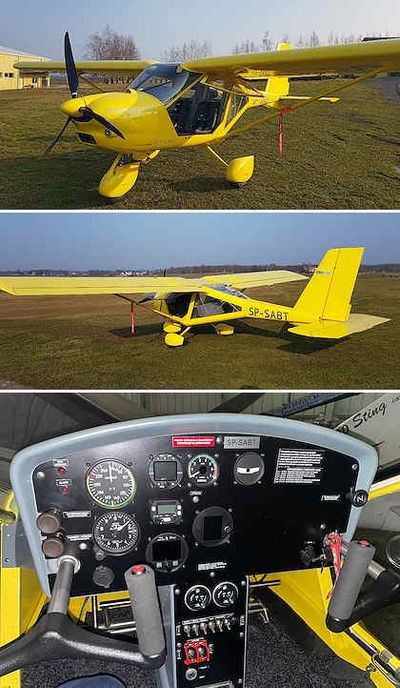
Aeroprakt A22
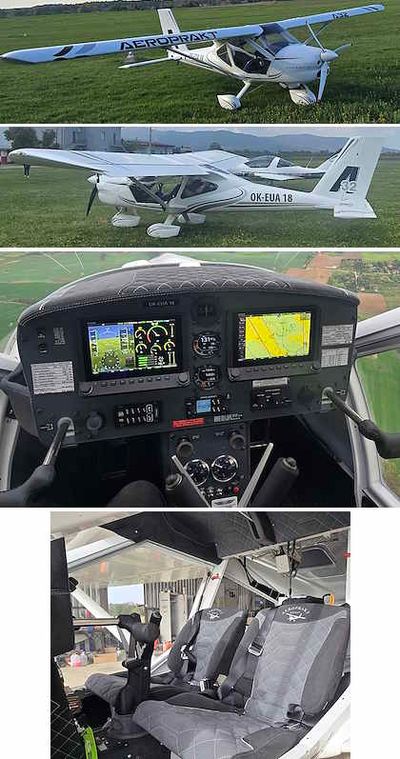
Aeroprakt A32
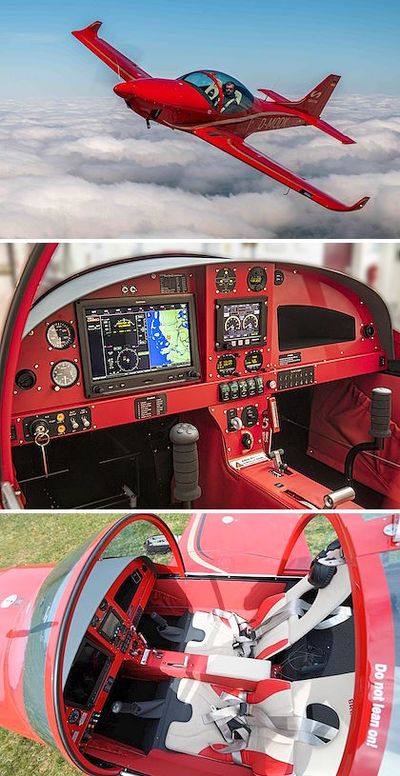
Breezer Aircraft Breezer
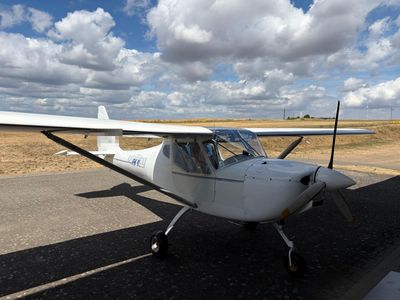
B&F Technik FK9
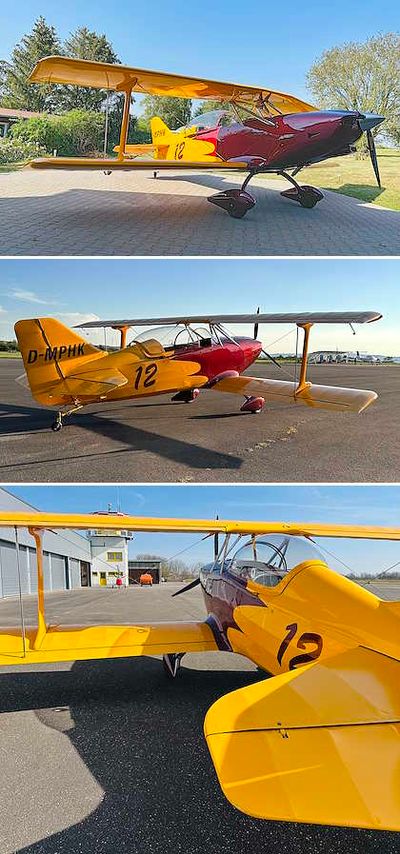
B&F Technik FK12 Comet
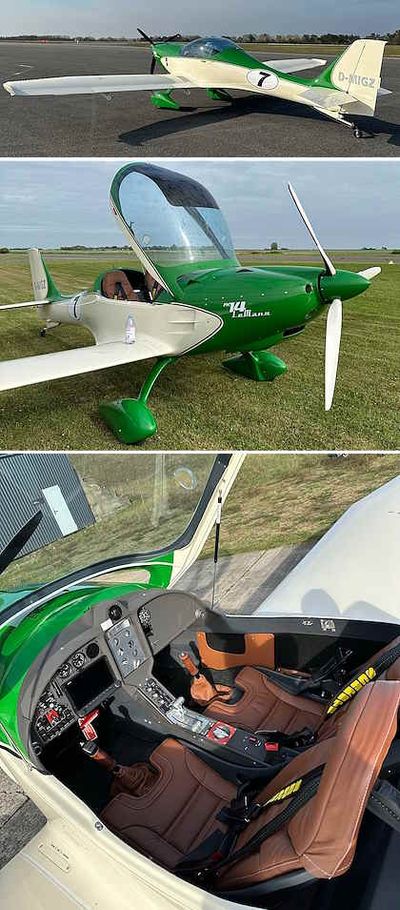
B&F Technik FK14 Polaris
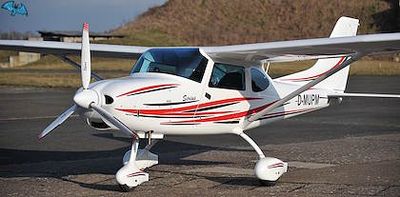
TL Ultralight TL-3000 Sirius
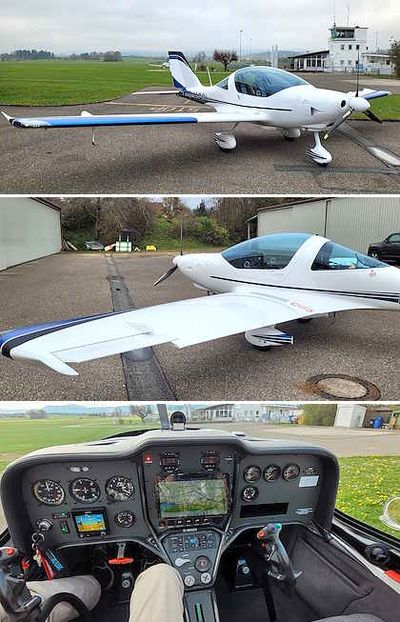
TL Ultralight Sting S4
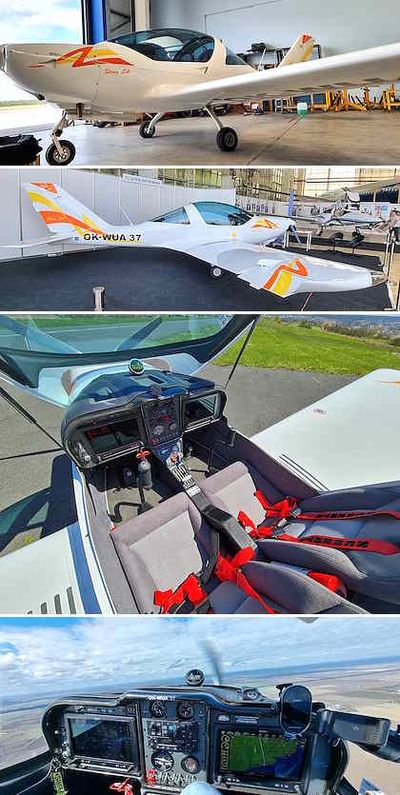
TL Ultralight Sting S4 RG
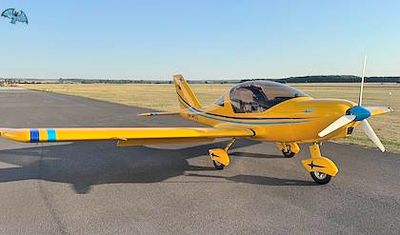
TL Ultralight TL-96 Star
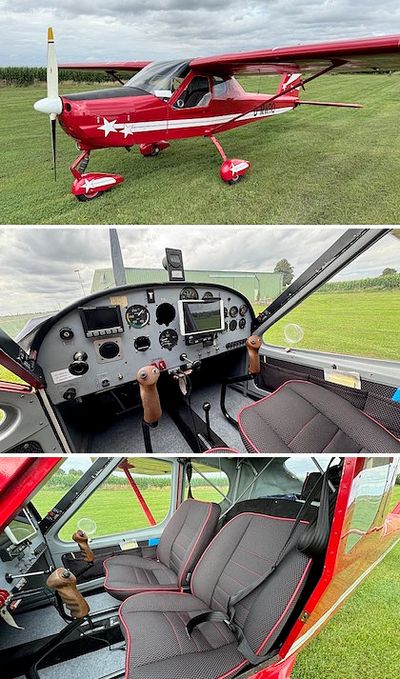
Tecnam P92 Echo
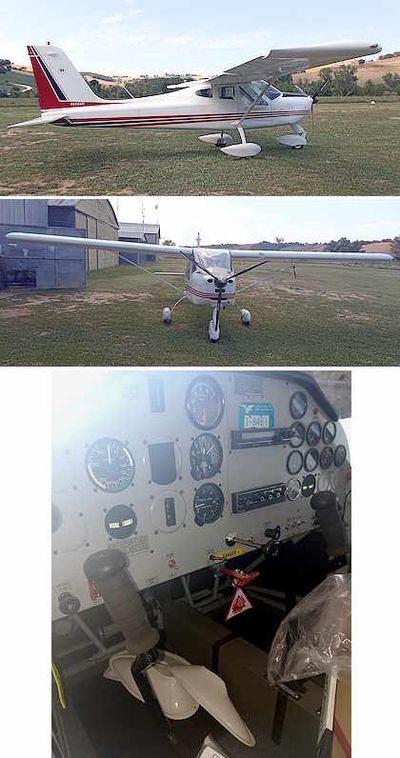
Tecnam P92 Echo Super
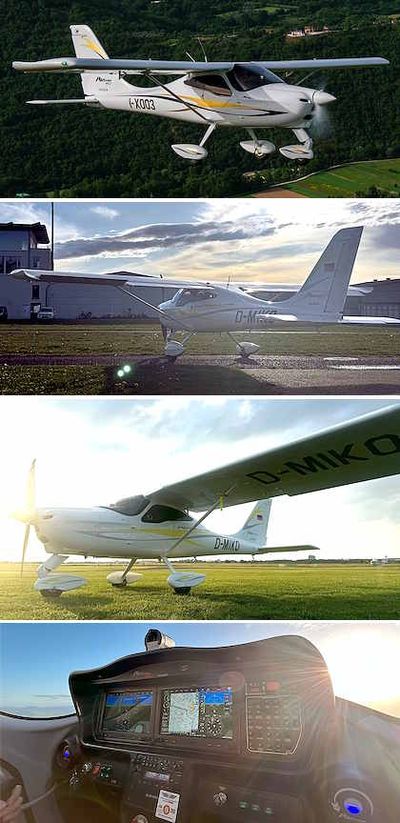
Tecnam P92 Echo MkII
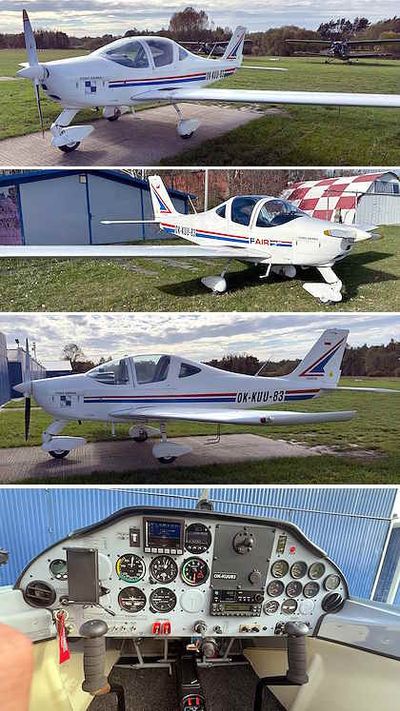
Tecnam P2002 Sierra
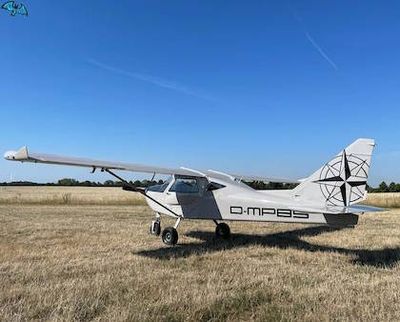
Groppo G70-600
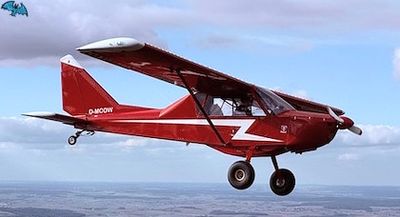
Groppo Trail
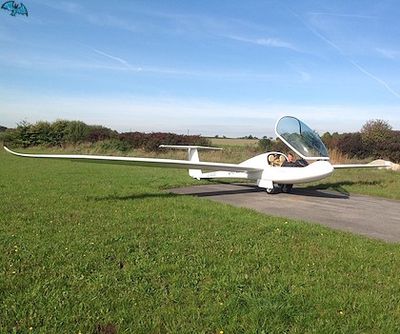
Pipistrel Taurus M
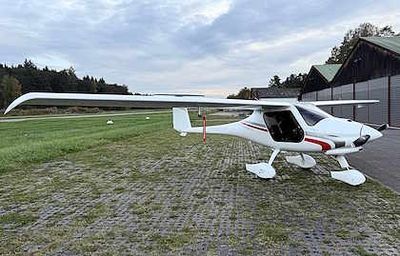
Pipistrel Virus SW 600 D
Pipistrel Sinus 912
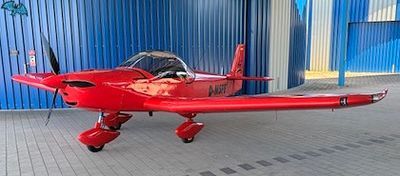
Roland Aircraft Z-602
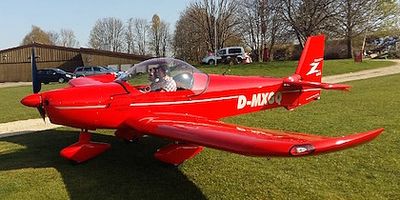
Roland Aircraft Z-602-600
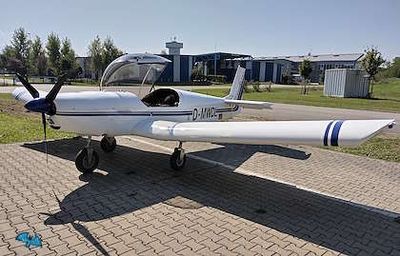
Roland Aircraft Zodiac Roland 601 D
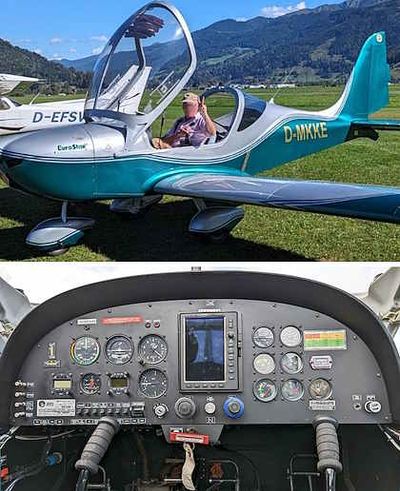
Evektor EV-97 Eurostar
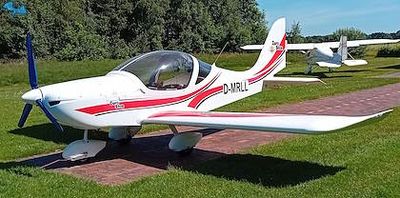
Evektor EV-97 EuroStar SL
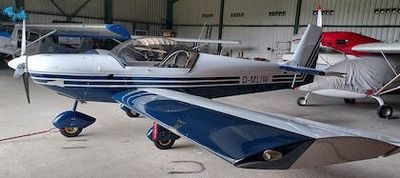
Zenair Zodiac CH 601 XL
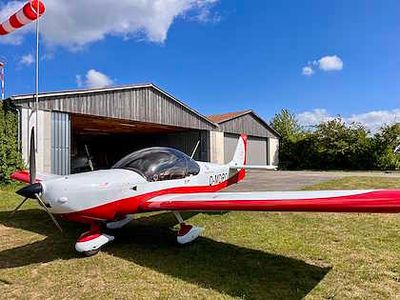
Zenair Zodiac CH 650
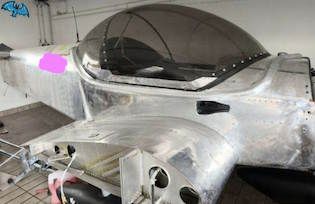
Zenair Zodiac CH 601 HD
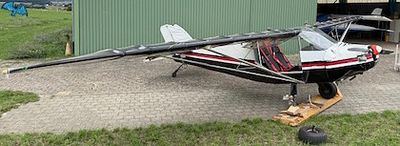
RANS S-6 Coyote II
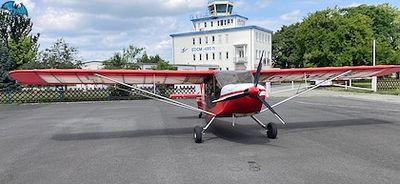
RANS S-10 Sakota
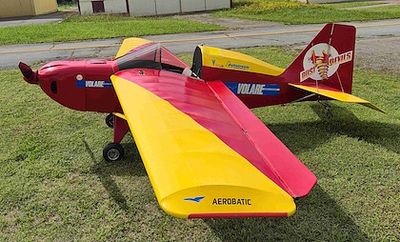
RANS S-9 Chaos
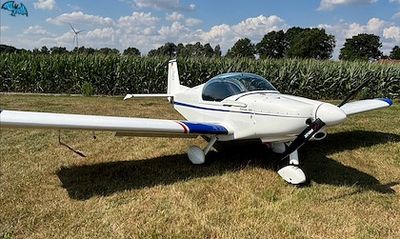
Alpi Aviation Pioneer 200
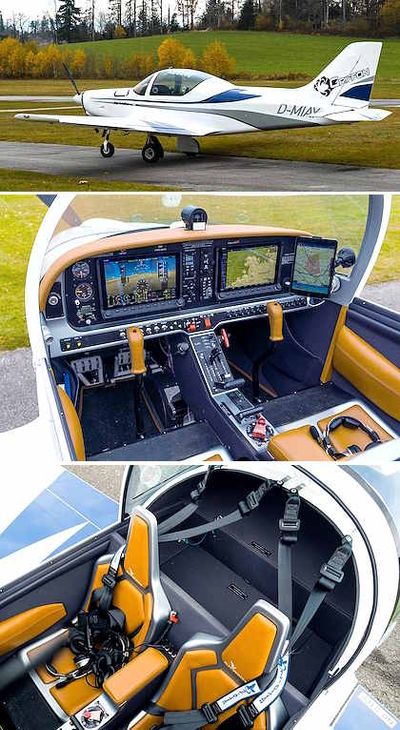
Alpi Aviation Pioneer 300 / 300 Griffon
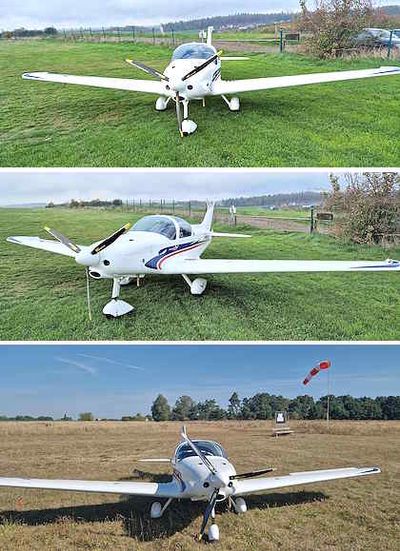
Alpi Aviation Pioneer 300 Kite
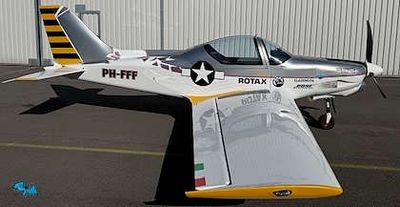
Alpi Aviation Pioneer 330 Acro
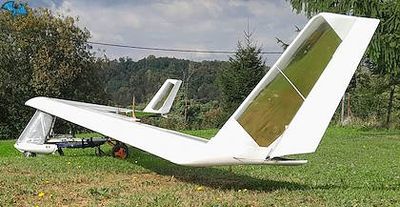
Aeriane Swift Light
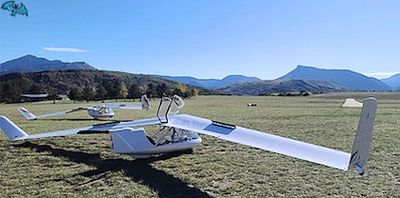
Aeriane Swift 3
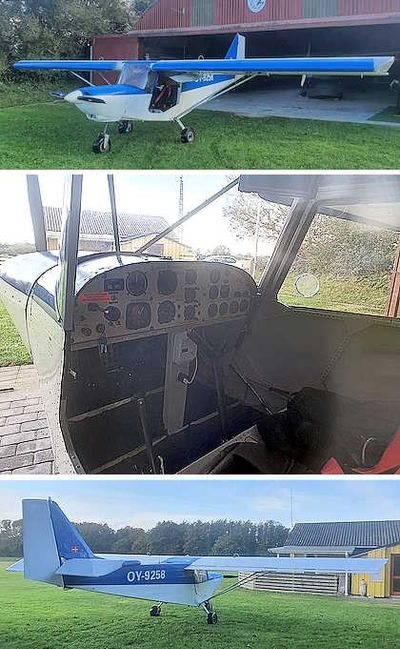
ICP Savannah
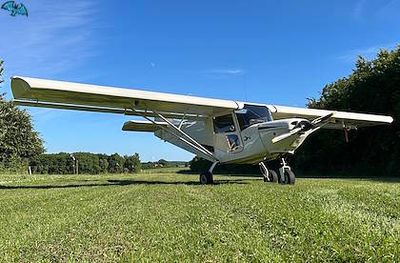
ICP Savannah VG
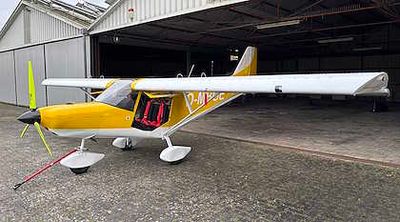
ICP Savannah SR
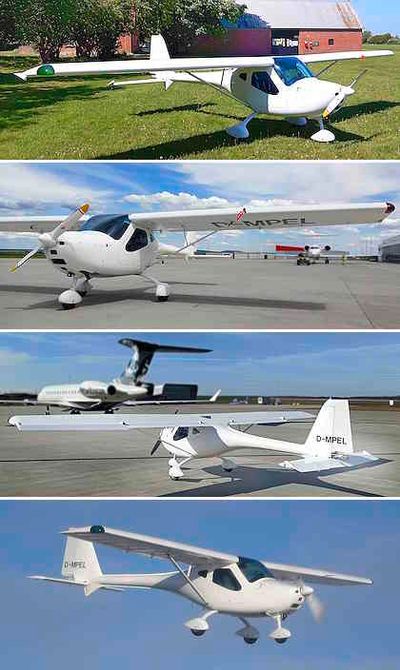
Remos G-3 Mirage