Ultralight Aircraft with a Ballistic Rescue System
254 listings available
Market prices in this selection
Minimum
€3,000
Average
€75,991
Maximum
€330,370
Build years 1985–2026 · 254 listings analysed
The ballistic rescue system is the single feature that most clearly separates the ultralight class from classic certified aircraft. It is fired with a handle in the cockpit: a solid-fuel rocket pulls out a parachute under which the entire aircraft descends. In the 600 kg class it is part of the certification requirements; in the older 472.5 kg class it is standard in practice.
This page lists every advertisement in which the seller has stated a rescue system. Important: that is information taken from the listing, not a verified assurance. Whether the system is currently packed, whether the rocket is still within its service life and whether the inspection is documented has to be checked on the aircraft and in its paperwork before purchase.
The common systems
Four manufacturers dominate in Europe. Junkers Magnum (formerly Magnum by Stratos 07) is especially widespread in Germany and is offered in several size classes up to 600 kg. BRS from the USA is the oldest supplier on the market and is regarded as the origin of the technology. Galaxy GRS from the Czech Republic is frequently fitted at the factory on aircraft from Eastern European manufacturers. USH (Ultralight Safety Holding) is mainly found on older German types. Technically the systems differ in deployment speed, minimum deployment altitude and weight — functionally they all solve the same problem.
Repacking intervals, rocket life and inspection
Two intervals run independently of each other. Depending on the manufacturer, the parachute has to be repacked every five to six years — it is inspected, dried and repacked in the process. The solid-fuel rocket has its own, longer service life of roughly twelve to fifteen years and is then replaced rather than overhauled. Both dates are recorded in the system's paperwork and can be requested from the seller. An expired system does not make an aircraft unsellable, but depending on what is due it shifts a four-figure amount onto the buyer — a legitimate point for negotiation.
Retrofitting: when it is worth it
Older ULs without a rescue system can in many cases be retrofitted, provided the manufacturer has approved a suitable installation. On top of the cost of the system come installation, weighing and an amendment to the data sheet — and useful load drops by the weight of the system, which is noticeable in the 472.5 kg class. Retrofitting usually only makes economic sense for aircraft you intend to keep for a while. If you are buying anyway, an already installed and freshly packed system is almost always cheaper than the retrofit route.
Current listings
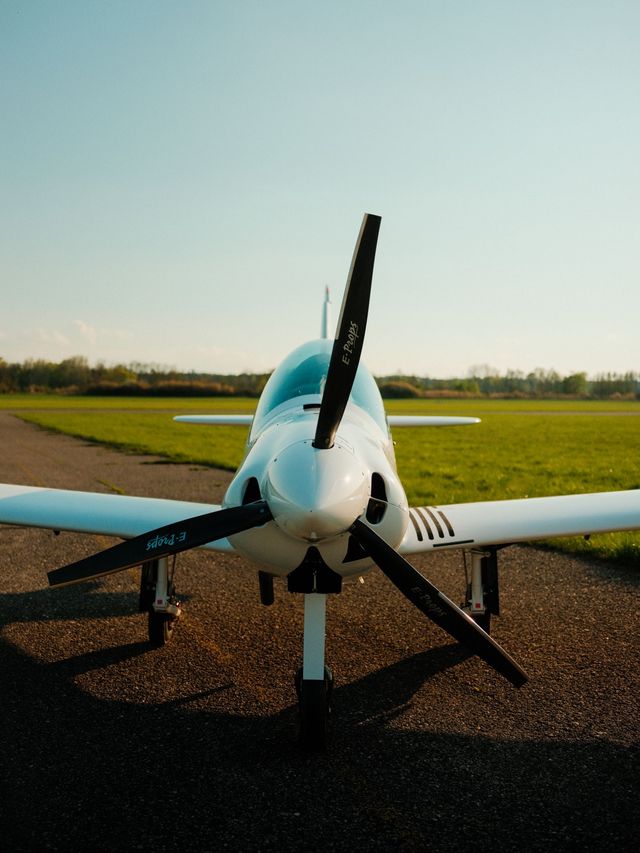
Shark 600 EP914Ti
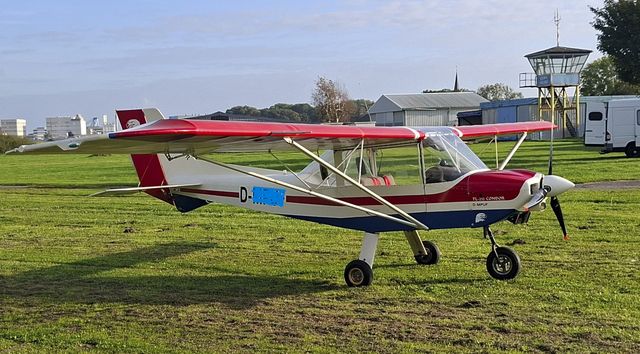
Condor TL 232
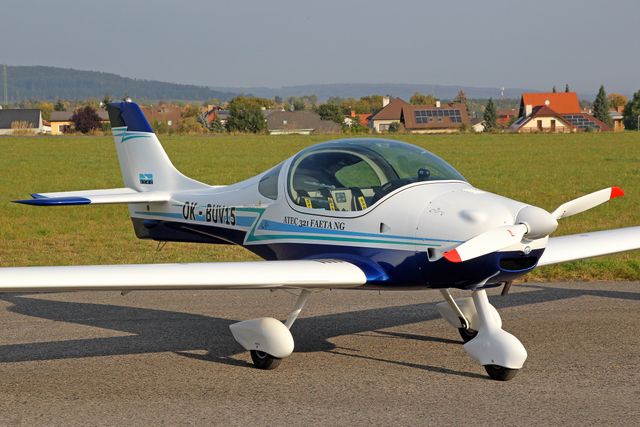
ATEC Faeta 321 NG
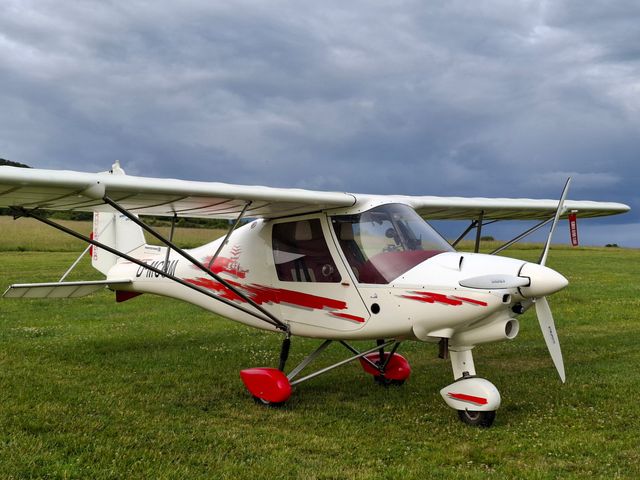
C42B deluxe
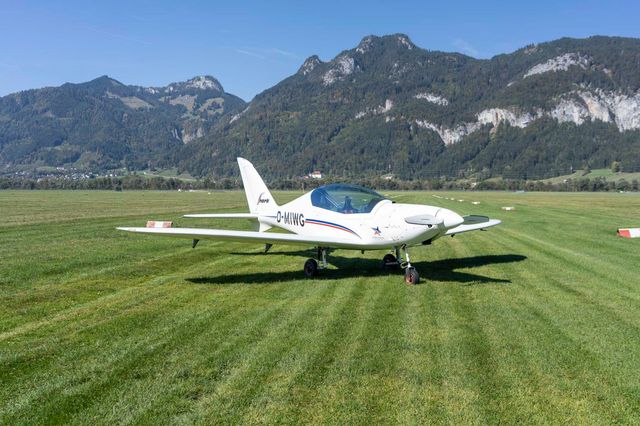
Shark Aero
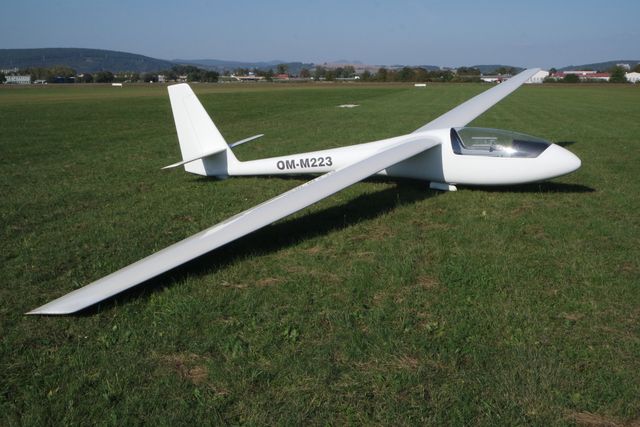
GW-15M
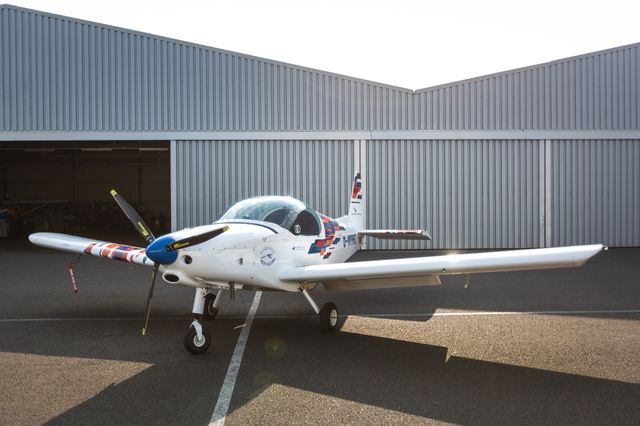
Alpi Aviation Pioneer 200
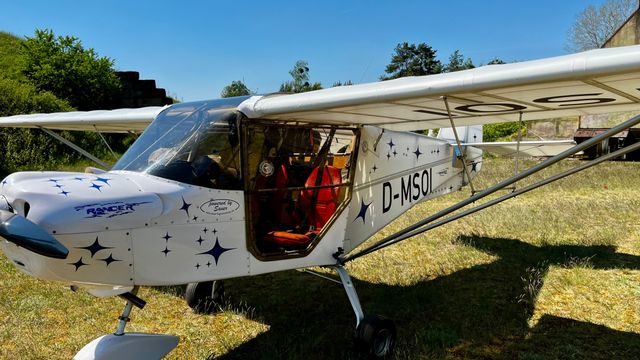
Sky Ranger
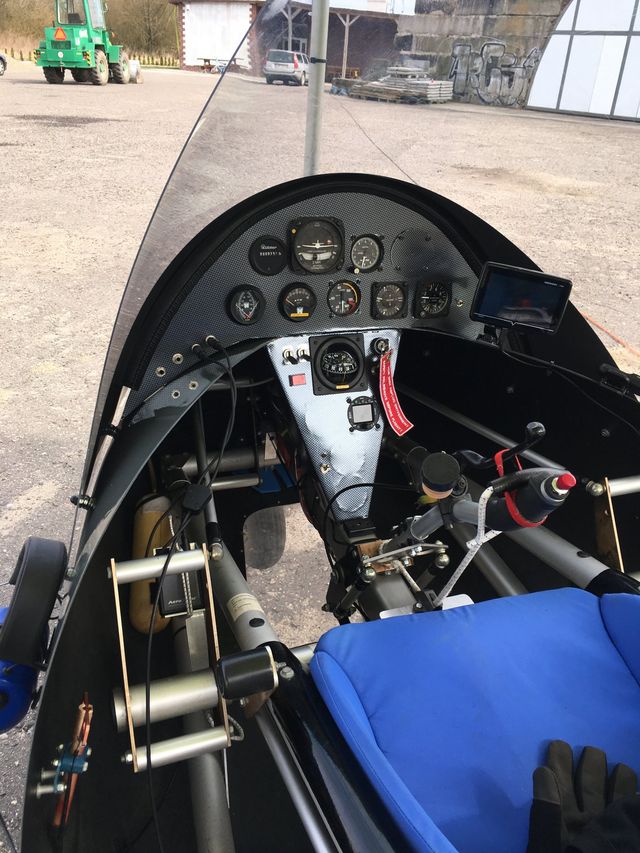
Sunny Sport
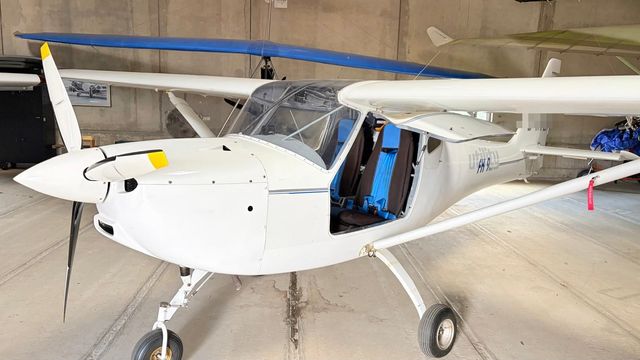
FK9 Mark III Utility
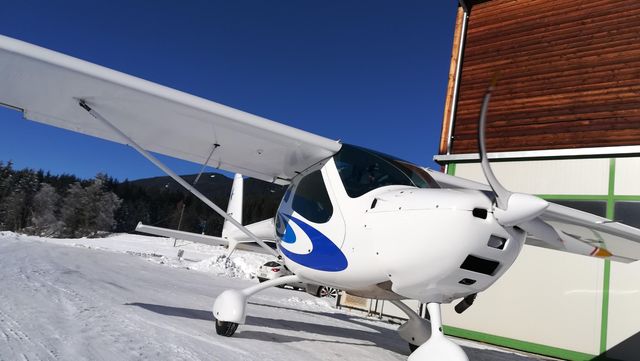
REMOS G3/600 Mirag
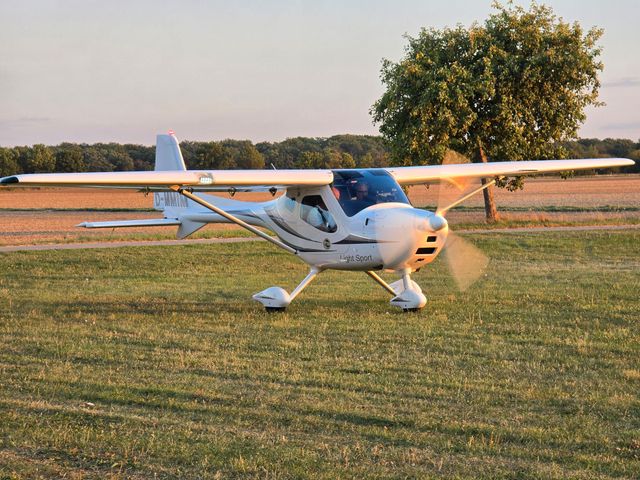
Remos GX
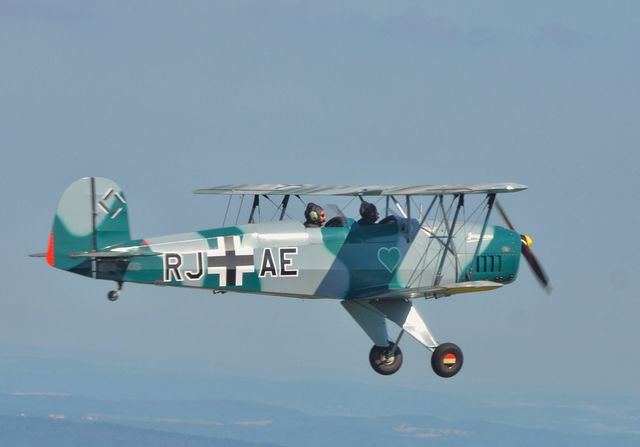
Bücker Jungmann FK131
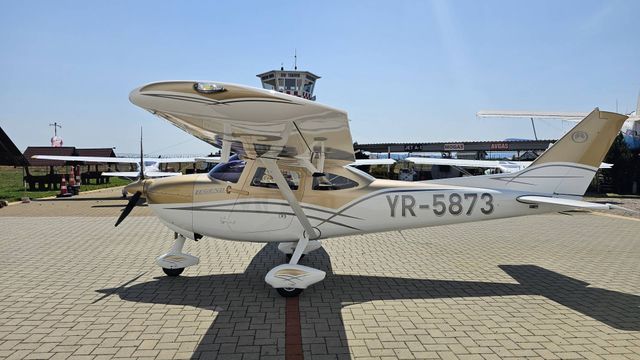
Aeropilot Legend 600
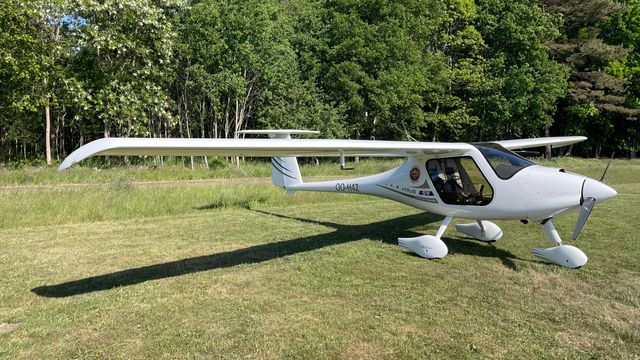
Pipistrel Virus SWN100-B OO-H42
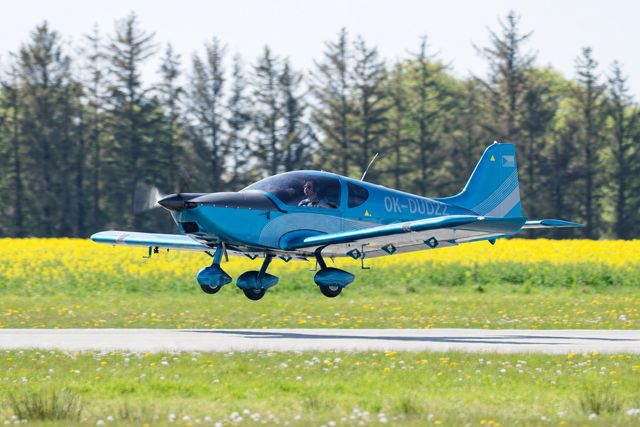
Direct Fly ALTO NG
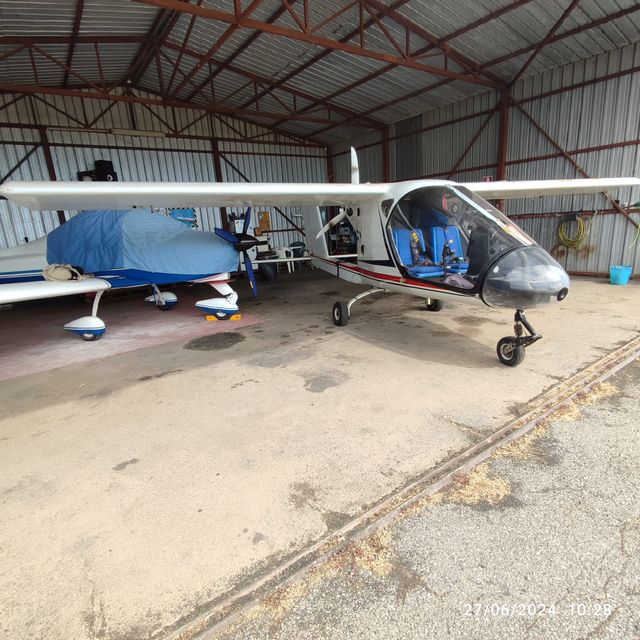
Sky-Maxx/G97 Spotter
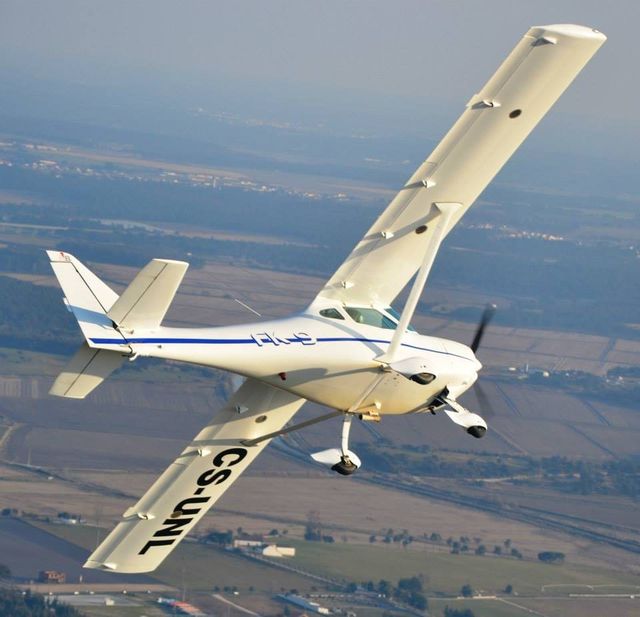
FK9 MARK IV
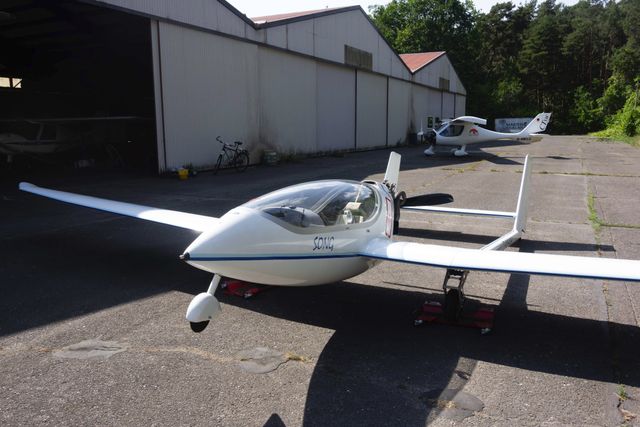
SONG 120
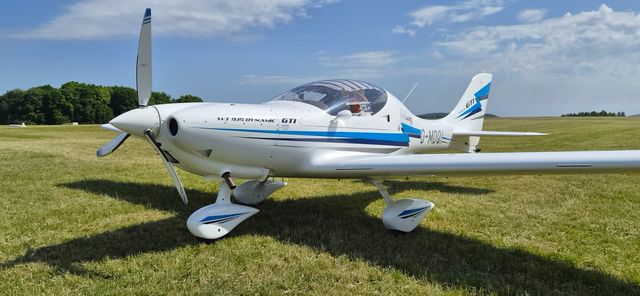
WT9
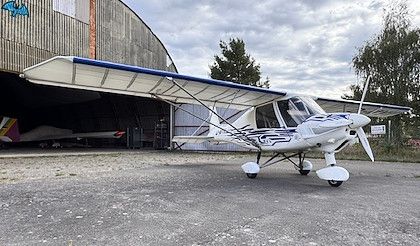
C 42 A
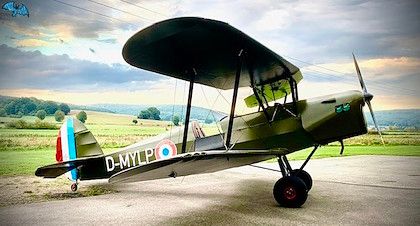
Stampe SV4 Rs
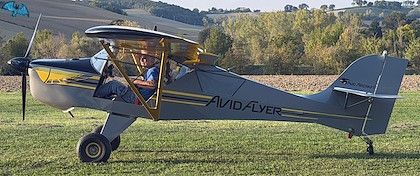
Avid Flyer Heavy Hauler
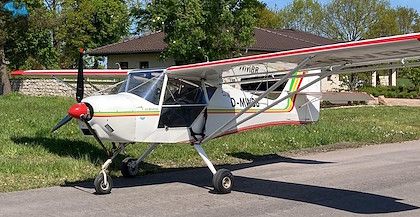
Eurofox
Selling an ultralight?
List it for free — online in a few minutes